New announcement. Learn more

027 232 9192

Making sense of life...

Change is not the enemy...

Often, it is the beginning of healing.

If you’re feeling overwhelmed, stuck, or navigating a difficult season, you don’t have to do it alone. We provide professional counselling in Wellington for adults seeking support with trauma, anxiety, grief, relationship challenges, and life transitions.

With over 15 years of counselling experience, we provide a safe and grounded space where growth can happen at your own pace.

Change can feel chaotic, but it can also be the doorway to clarity, resilience, and a deeper understanding of oneself.

If this feels like your time for growth, we invite you to reach out.

Contact Rob or Bex to begin your counselling journey...

What is trauma?


Trauma, Shock and Post-Traumatic Stress Disorder (PTSD)

The term ‘trauma’, as it relates to the human experience, refers to the psychological, emotional and somatic (body) harm that occurs when an individual is subjected to actions by another that are believed to be life-threatening. This is separate from shock for several reasons that are connected to the body's neurophysiology, or what we can call the neurological ‘system’.

Shock occurs when an unexpected event happens, jolting the system after catching it by surprise. An electric shock from a power plug, receiving bad news, relationship betrayal or discovering a friend has died, or a traffic collision can all cause shock. These are typically brief events of short duration, involving a limited but extreme brain signal in the moment. That event can result in an acute adrenaline surge in the body, which is quite normal. But there’s no major threat to life in that moment.

Trauma is a completely different experience. Trauma can be a unexpected event or a repeated event in which the person experiences a threat to life, a sense of powerlessness and/or helplessness over a period of time; that time might be 5 minutes or five hours, or a repeating of the five minutes over time that may last years as can happen with sexual abuse, domestic or institutional violence, torture, or the repeated exposure to another’s trauma as happens for some emergency services personnel. The effect is a much longer brain signal that effectively re-wires parts of the brain, floods the body with much more adrenaline for much longer, and sensitises the body. The result: the body becomes imprinted with a new ‘reality’ related to threat and fear for life. Additionally, the brain's freeze/flight/fight centre becomes super sensitive to any further ‘threat’ signals.

All trauma comes with shock, but not all shock is trauma.

PTSD is Post (post = after) Traumatic (the injury) Stress (ongoing intense feelings) Disorder (things not working well). It is the term we use to recognise trauma has happened, and the system is still firing at least three months after the event, with lasting effects and difficulty in functioning daily. Difficulties may include:

  • Waves of anxiety or sadness

  • Depression and/or anger

  • Intrusive thoughts that seem to come from nowhere

  • Suicidal thoughts

  • Sleep difficulties, usually with nightmares

  • Flashbacks, where the mind goes back to the events

  • Body disturbances that feel like reliving the event

  • Difficulty holding emotions, especially when under pressure, during arguments or being shouted at, and wherever a threat of some kind is believed to be present

  • Avoiding people or places

  • Feeling numb or detached from others, even with partners and your own children

Trauma often leaves people feeling a deep sense of rage. The effect is that they can be prone to explosions of anger and angry words at the smallest of things. Often, such rages are as dangerous for the trauma sufferer as for those around them. These are the rages that gets people arrested because they can lead to physically lashing out at people or property and doing real harm. This is a different kind of emotional response from attachment-based reactions.

Attachment-based reactions are the daily, spontaneous emotional movements we can make in response to the various relational dynamics: hearing criticism, being stopped by the police, running late for a meeting, or someone bumping into us on the street. In general, they can trigger an angry response, but without causing the harm of the explosive rage. They are passing moments of irritation and being pissed-off, dumb words, stupid behaviours, and childish actions like kicking the dog …all of which we should be learning (or have already learnt) to grow out of.

At Resolve, we counsel people suffering from abuse-related PTSD …and those finding they just cannot shake old, problem-causing, attachment-based behaviours that they know aren’t good for them or their relationships.

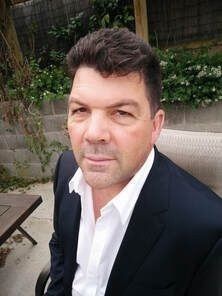
Rob McGregor

Rob McGregor

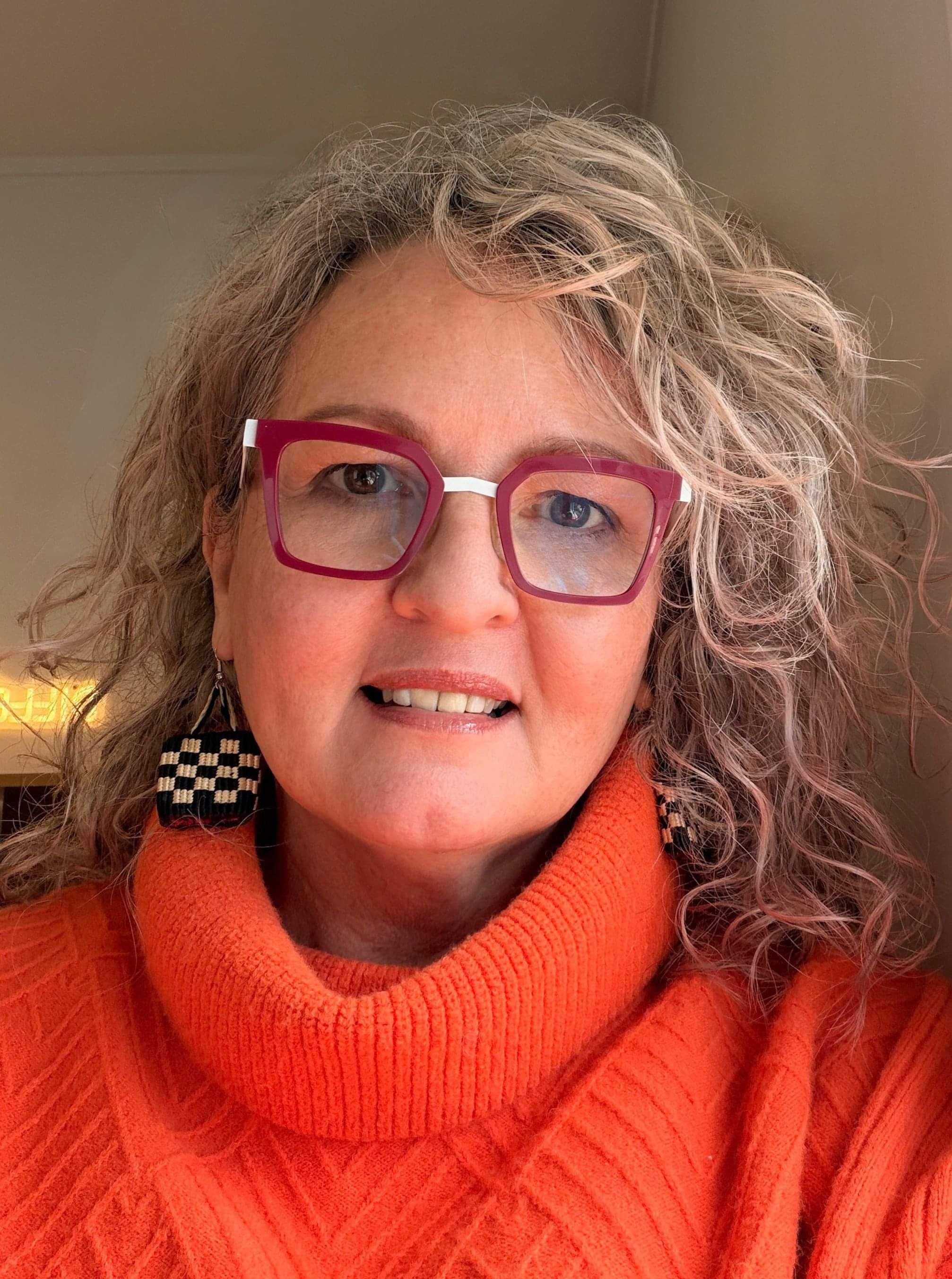
Bex Escott

Rob McGregor &
Bex Escott

Services
​At A Glance

Contact Resolve Counselling

Confidentiality
Agreement

Counselling & Confidentiality Agreement.

The agreed scope and safety terms of the Resolve Counselling client relationship.